
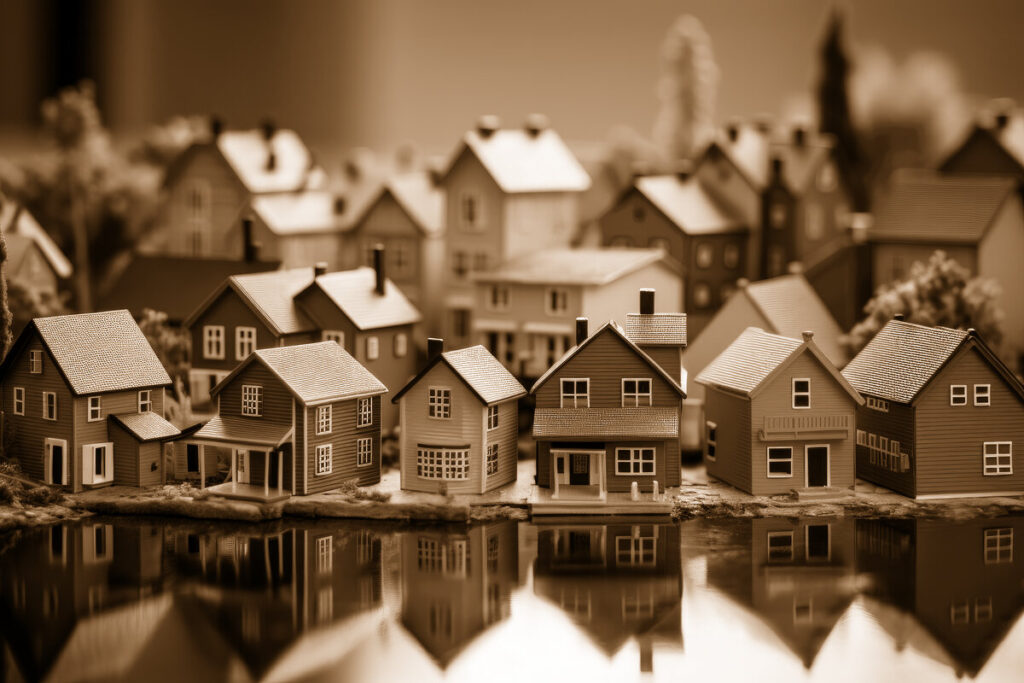
Nestled just to the southwest of Houston’s bustling city center, Southside Place is a close-knit enclave that offers a unique blend of old-world charm and modern appeal. For nearly a century, this small but mighty neighborhood has stood as a testament to intentional urban planning, communal spirit, and resilience. Let’s take a warm stroll down memory lane to better understand the origins, key milestones, notable landmarks, and ongoing evolution of Southside Place.
The Beginnings: Origins and Naming
Southside Place traces its roots back to the late 1920s, at a time when Houston itself was experiencing a period of rapid growth. The neighborhood was the brainchild of developer E.L. Crain, who in 1924 acquired 200 acres of farmland with a vision to create a residential sanctuary on the then-outskirts of Houston.
The name “Southside Place” itself reflects both its geographical relationship to the city (located just to the south of Houston’s central business district) and the charming garden-park ambiance Crain envisioned. He wanted a name that spoke to both location and lifestyle: a place that would feel uniquely set apart from the city’s urban rush, yet close enough for convenient access.
Southside Place’s formal incorporation as a city occurred in 1931, just a few years after homes began sprouting up along streets like Auden, Edloe, and Garnet. From the start, the community was designed with careful attention to peaceful living, safe environments, and shared green spaces.
Milestones That Shaped the Neighborhood
Throughout its history, Southside Place has been defined by thoughtful, steady development. Here are some key highlights:
- 1929: Southside Place’s first homes were completed, featuring the Tudor Revival and traditional styles that still characterize parts of the neighborhood. Early promotional materials boasted of amenities like wide boulevards, shade trees, and community parks.
- 1931: Official incorporation as the City of Southside Place, granting it self-governance and the unique ability to shape its residential policies. This independence led to the establishment of a small but dedicated city council that still exists today.
- 1940s–50s: The post-war years saw expanding families and the addition of several new homes, but development remained carefully curated. Zoning laws ensured the predominance of single-family residences, preserving the neighborhood’s tranquil character.
- 1960s–1980s: As Houston boomed, Southside Place resisted high-rise and high-density pressures, keeping its identity as a walkable, green, and neighborly retreat.
- 2000s–Present: Renewed desirability in the Inner Loop led to a mix of carefully designed new construction and the successful preservation of many historic homes.
Landmarks, Streets, and Institutions
Despite its compact footprint — less than half a square mile — Southside Place is rich in beloved landmarks and institutions that enhance daily life for its residents.
- Fire Truck Park
- Perhaps the most beloved communal space is Fire Truck Park, located on Edloe Street. Featuring a vintage red fire truck play structure, the park has been the heart of community gatherings for decades — whether summer parties, Easter egg hunts, or low-key afternoons under a canopy of oaks.
- City Hall and Community Center
- Located at 6309 Edloe, Southside Place’s City Hall is more than just a civic building; it is the nucleus of local decisions, events, and celebrations. The adjacent community center is host to gatherings, classes, and meetings that knit the social fabric of the neighborhood ever tighter.
- Southside Place Pool
- With roots going back to the 1930s, the neighborhood pool is a time-honored spot where generations of families have taught their children to swim. Membership is a coveted tradition, and the pool is central to the radiant summers of Southside Place.
- Historic Architecture
- Stroll down streets such as Garnet and Auden, and you’ll find an eclectic architectural story. While many original homes remain, some lovingly restored, elsewhere you’ll see thoughtful new homes built with architectural references to the past.
- Proximity to Renowned Institutions
- Southside Place benefits greatly from its proximity to some of Houston’s most celebrated institutions, including Rice University, The Texas Medical Center, and the Museum District — all just a short trip away.
Evolution: From Farmlands to Flourishing Enclave
From farmland to flourishing residential haven, Southside Place’s evolution has always centered on its people. At its core, the neighborhood is a welcoming, participatory community. Block parties, holiday parades, and neighborhood meetings are mainstays, uniting young families with longtime residents.
Southside Place has also been highly adaptive to change. While maintaining an eye toward historic preservation, the neighborhood has embraced modern amenities and infrastructural upgrades. Natural disasters, such as the flooding from Hurricane Harvey, have spurred residents to band together for recovery efforts and community improvements.
The perception of Southside Place as an urban sanctuary endures. Its canopy-lined streets, strict zoning, and protective city government guard against the rapid commercialization that has altered other Houston neighborhoods. Yet, Southside Place remains open and welcoming to new residents who appreciate its unique blend of history, community, and convenience.
What Makes Southside Place Special Today
Ask any Southside Place resident what makes their neighborhood special, and you’ll hear familiar themes: warmth, safety, connection, and pride. Here, children walk or bike to friends’ homes, neighbors know each other by name, and treasured traditions are passed down from one generation to the next.
The annual July 4th parade winds around streets like Jardin, Auden, and Farbar, bringing everyone together for a distinctly “small-town-in-the-city” celebration. Seasonal parties at Fire Truck Park, civic engagement at City Hall, or spontaneous gatherings on tree-shaded lawns all speak to a special sense of togetherness.
Southside Place is more than a location — it’s a feeling. A community invested in its past, enriched by its present, and ever optimistic about its future. For those who’ve called it home, Southside Place remains a shining example of Houston hospitality, neighborly spirit, and enduring heritage.